Knee pain can affect walking, stairs, running, training, squatting, and everyday activity. It may come on suddenly after an injury or build gradually through overuse, increased load, or movement restriction. Symptoms can involve pain around the front, side, or back of the knee, as well as stiffness, swelling, weakness, or reduced confidence using the leg normally.
Knee pain is not always only about the knee itself. Hip movement, ankle mobility, training load, muscle strength, and how the body absorbs force can all contribute. Our role is to assess what may be contributing to your symptoms and apply practical, hands-on treatment to help reduce pain, improve movement, and support recovery.
How We Help With Knee Pain
Knee pain often involves a combination of tissue irritation, reduced mobility, muscle tightness, load sensitivity, and changes in how the leg moves under pressure.
Our approach focuses on reducing pain, improving movement, and helping you return to normal activity, training, or sport with more confidence.
Reducing pain and muscular tension.
Improving knee, hip, and ankle movement where relevant.
Supporting strength and tolerance to activity.
Addressing contributing factors, not just symptoms.
Treatment is adapted to your presentation on the day. Some sessions focus more on pain relief and reducing sensitivity, while others are more movement- and function-focused depending on what your knee needs at that stage.
Choosing the Right Treatment
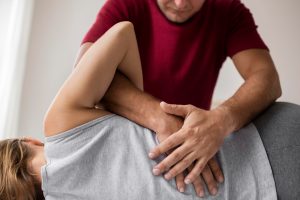
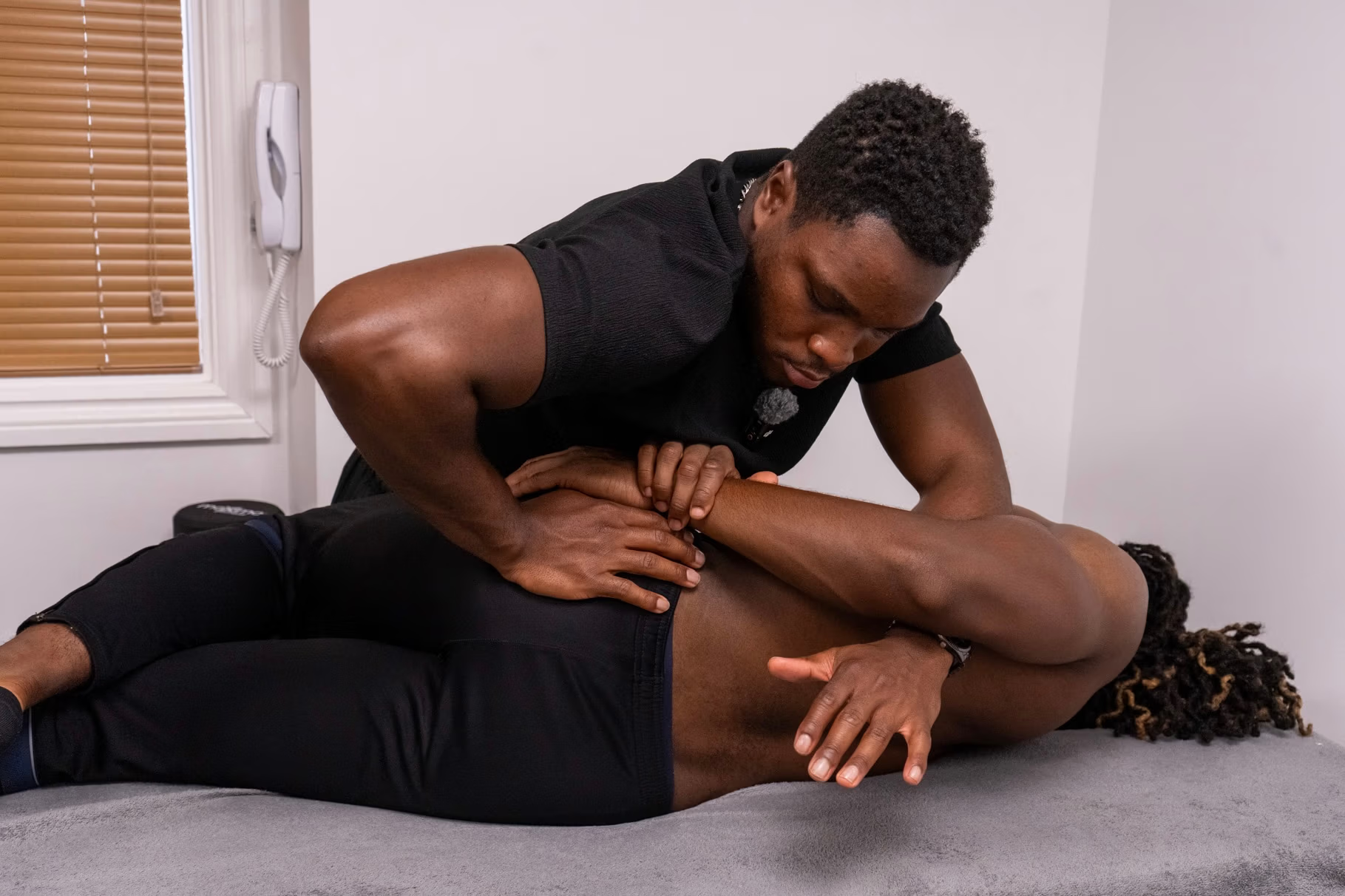
Our approach is hands-on, practical, and tailored to your problem. We combine assessment with effective treatment so you can start feeling better from your first session.
Why does my knee hurt when walking or using stairs?
Knee pain during walking or stairs is often linked to irritation around the joint, reduced strength, altered movement patterns, or increased load on sensitive tissues.
How the hip, knee, ankle, and surrounding muscles work together can also affect how the knee feels during activity.
Can knee pain improve without treatment?
Some knee pain improves with time, especially if it is mild and related to short-term overload. However, recurring or persistent knee pain can continue if the contributing factors are not addressed.
Treatment can help improve movement, reduce discomfort, and support a more confident return to normal activity or sport.
Should I rest or keep moving with knee pain?
Complete rest is rarely the best long-term answer. In most cases, it is better to keep moving at a level your knee can tolerate without significantly increasing symptoms.
The right level of activity depends on the severity of pain, how the knee responds, and what activities are currently aggravating it.
Can massage help with knee pain?
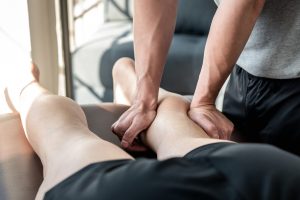
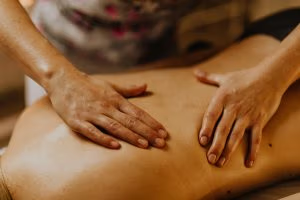
Massage and hands-on treatment can help reduce muscular tension around the thigh, hip, and calf, which may influence how the knee moves and tolerates load.
At The Body Sage Clinic, massage techniques are commonly used within Injury Therapy and other treatments as part of a broader approach.
What treatment is best for knee pain?
he best treatment depends on what is causing or contributing to your symptoms, how long the problem has been present, and how much it affects your movement.
For most people, Injury Therapy is the best starting point. More severe, persistent, or complex knee pain may be better suited to Injury Therapy Plus.
Can knee pain be related to the hip or ankle?
Yes. The knee often responds to how the rest of the leg moves and absorbs load. Hip control, ankle mobility, foot position, and muscle strength can all influence knee symptoms.
This is why treatment may involve looking beyond the knee itself where appropriate.
Start Treatment for Knee Pain
Whether your knee pain is recent, recurring, or affecting walking, training, or everyday activity, the right treatment can help improve comfort and function.
If you are unsure where to begin, Injury Therapy is usually the best starting point.