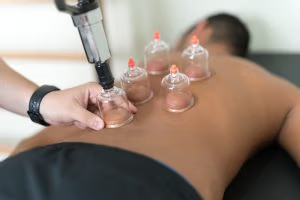
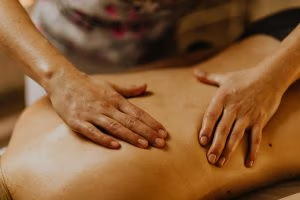
Shoulder pain can range from mild stiffness and irritation to more persistent problems that affect lifting, reaching, sleeping, training, and everyday movement. Symptoms may develop gradually through overuse and movement restriction or appear suddenly following strain, injury, or increased physical demand.
Many shoulder problems involve a combination of muscular tension, reduced mobility, irritation around the joint, and changes in how the shoulder moves and tolerates load. Our role is to assess what may be contributing to your symptoms and apply practical, hands-on treatment to help reduce pain, improve movement, and support recovery.
How We Help With Sports Injuries
Sports injuries often involve a combination of tissue irritation, muscular tension, reduced movement, overload, and changes in how the body tolerates training or activity.
Our approach focuses on helping you recover effectively while supporting a safe return to training, sport, or normal physical activity.
Reducing pain and muscular tension.
Improving movement and physical function.
Supporting recovery and tolerance to load.
Addressing contributing factors, not just symptoms.
Treatment is adapted to your presentation, training demands, and stage of recovery. Some sessions focus more on pain relief and recovery, while others are more movement- and performance-focused.
Choosing the Right Treatment
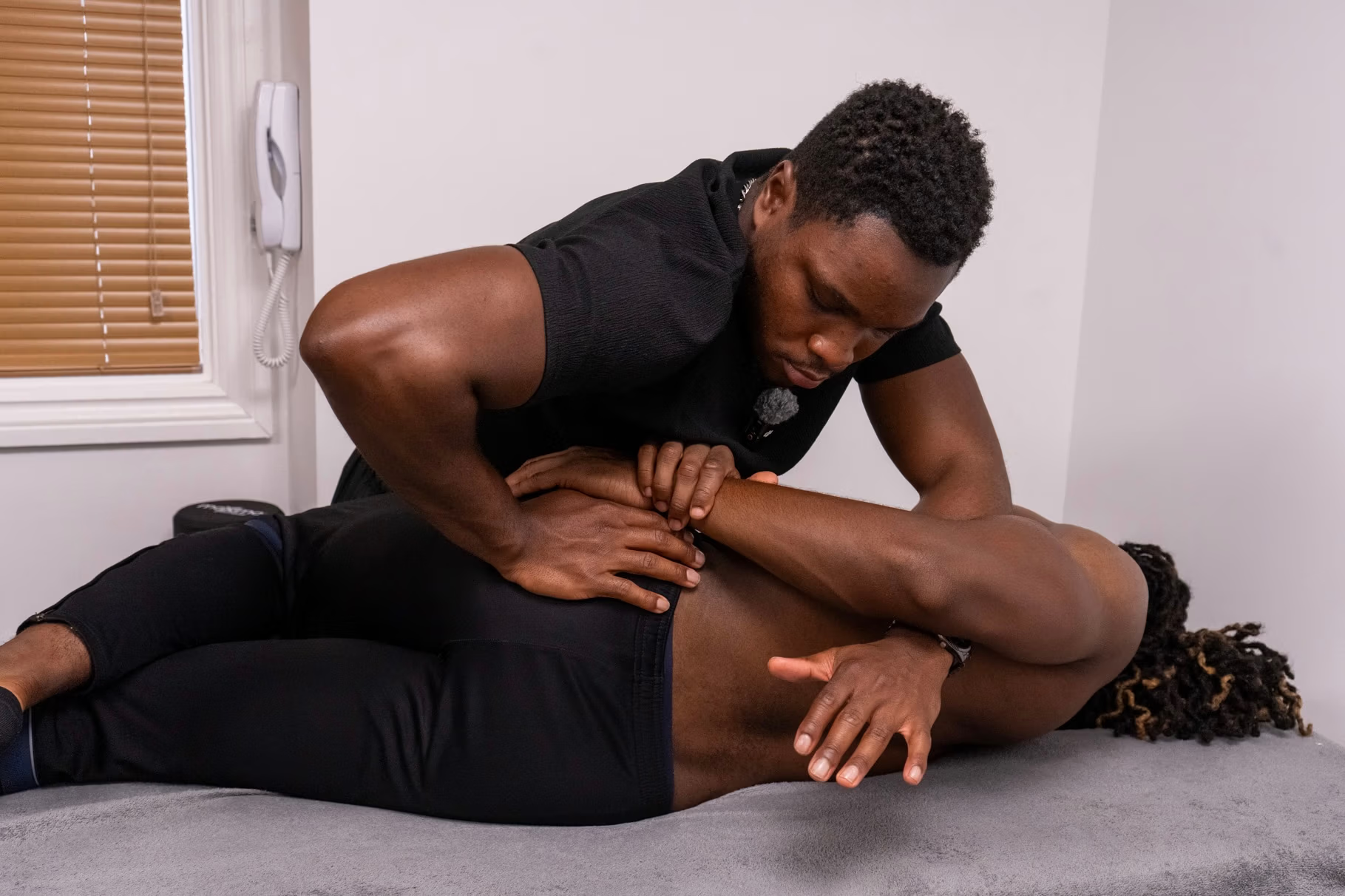
Our approach is hands-on, practical, and tailored to your problem. We combine assessment with effective treatment so you can start feeling better from your first session.
Not always. In many cases, reducing or modifying activity is more helpful than complete rest.
The goal is usually to find a level of movement and training your body can tolerate while recovery improves over time.
How long do sports injuries take to recover?
Recovery time varies depending on the severity of the injury, the tissues involved, training demands, recovery habits, and previous injury history.
Some issues settle quickly, while others require a more gradual return to activity and ongoing management.
Can massage help sports injuries?
Massage and hands-on treatment can often help reduce muscular tension, improve movement, and support recovery from training or injury.
At The Body Sage Clinic, massage techniques are commonly integrated into Injury Therapy and other treatments alongside movement- and recovery-focused approaches.
Why do sports injuries keep coming back?
Recurring injuries are often influenced by factors such as training load, movement restriction, recovery, previous injury history, and how well the body tolerates physical stress.
Treatment may focus on improving movement, recovery capacity, and confidence returning to activity as well as reducing pain itself.
What treatment is best for sports injuries?
The best treatment depends on the severity of the injury, the stage of recovery, and your training or sporting demands.
For most people, Injury Therapy is the best starting point. More severe or persistent problems may benefit from Injury Therapy Plus.
Can I still exercise while recovering from an injury?
In many cases, yes. Remaining active within tolerable limits is often beneficial for recovery and maintaining confidence in movement.
The type and amount of exercise should be adapted to your symptoms, recovery stage, and overall goals.
Start Treatment for Sports Injuries
Whether your injury is recent, recurring, or affecting your ability to train and perform, the right treatment can support recovery and help you return to activity with confidence.
If you are unsure where to begin, Injury Therapy is usually the best starting point.