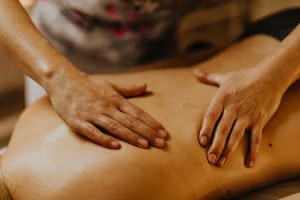
Back pain is one of the most common reasons people seek treatment, ranging from sudden acute episodes to long-standing recurring problems that gradually affect movement, confidence, and everyday life. It rarely has a single cause. Pain can develop through injury, physical strain, training load, reduced movement, stress, prolonged sitting, or a combination of contributing factors.
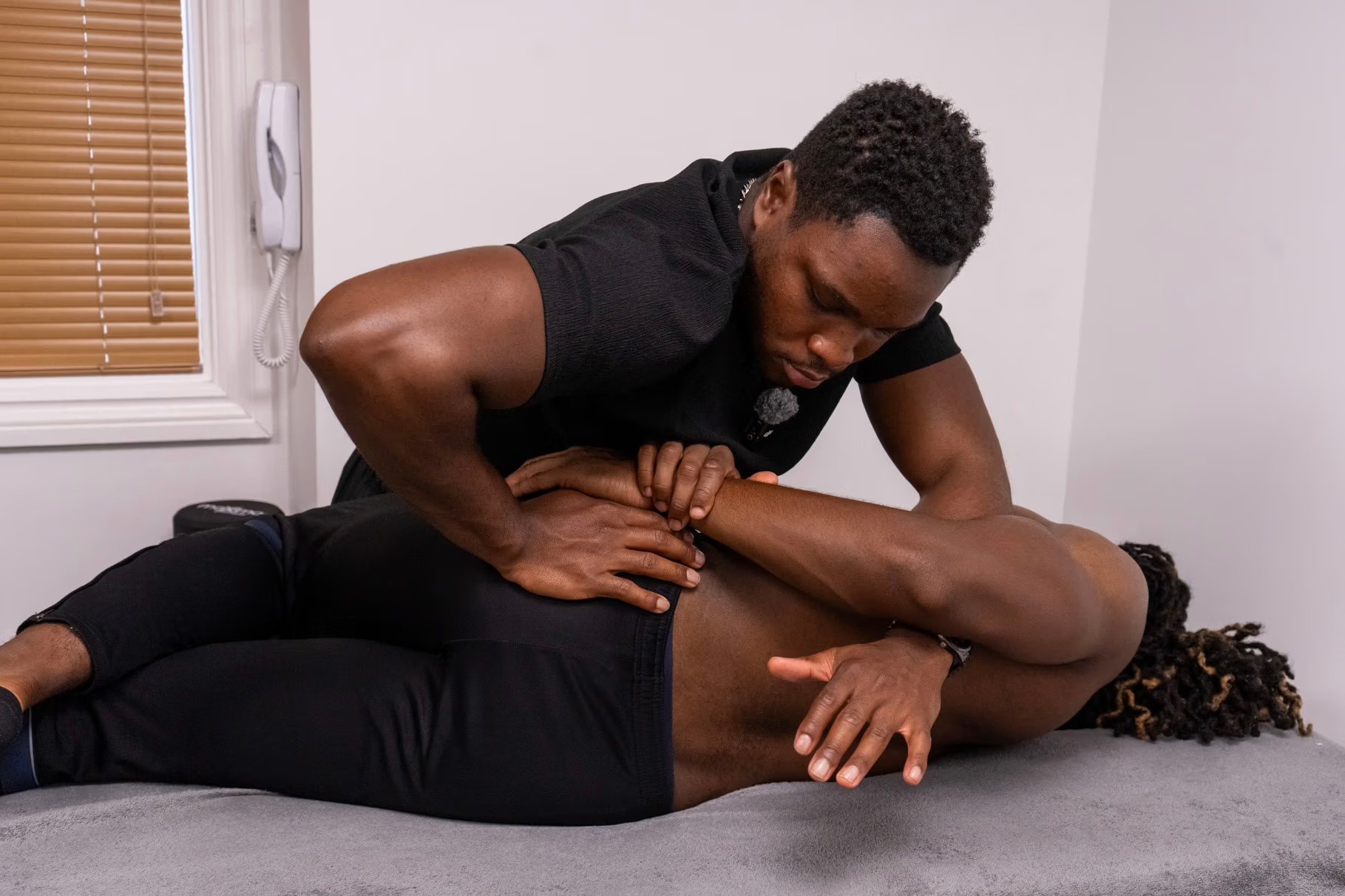
Our role is to assess what may be driving your symptoms and apply practical, hands-on treatment to help reduce pain, improve movement, and support recovery. While not all back pain can be completely resolved, most people can improve significantly with the right combination of treatment, movement, and guidance.
How We Help With Back Pain
Back pain often involves a combination of muscular tension, movement restriction, sensitivity, reduced tolerance to load, and protective guarding around the affected area.
Our treatment approach focuses on reducing pain, improving movement, and helping you return to normal activity with greater confidence and control.
Reducing pain and muscular tension.
Improving movement and tolerance to activity.
Addressing contributing factors, not just symptoms.
Supporting confidence in movement and recovery.
Treatment is always adapted to your presentation on the day. Some sessions focus more on pain relief and reducing sensitivity, while others are more movement and function focused depending on what your back needs at that stage.
Choosing the Right Treatment
Our approach is hands-on, practical, and tailored to your problem. We combine assessment with effective treatment so you can start feeling better from your first session.
If your back pain is persistent, recurring, affecting movement, or stopping you from doing normal activities, it is usually worth getting assessed.
Early treatment can often help reduce pain, improve movement, and prevent problems becoming more difficult to manage over time.
Is it normal for back pain to keep coming back?
Recurring back pain is extremely common. Even when symptoms settle, factors such as workload, movement habits, stress, training, and physical conditioning can contribute to flare-ups returning.
Treatment often focuses not only on reducing pain, but also improving movement, tolerance to activity, and confidence in using the back normally again.
Should I rest or keep moving with back pain?
In most cases, gentle movement and remaining reasonably active is more helpful than complete rest. Long periods of inactivity can sometimes increase stiffness and sensitivity.
The key is finding a level of movement your back can tolerate without significantly aggravating symptoms.
Can massage help with back pain?
Massage and hands-on treatment can often help reduce muscular tension, sensitivity, and protective guarding around the back.
At The Body Sage Clinic, massage techniques are commonly integrated into Injury Therapy and other treatments alongside movement and recovery focused approaches.
What treatment is best for back pain?
The best treatment depends on the nature of your symptoms, how long they have been present, and what factors are contributing to the problem.
For most people, Injury Therapy is the best starting point. More complex or persistent issues may be better suited to Injury Therapy Plus.
Can back pain improve without treatment?
Yes, many episodes of back pain improve over time. However, some people continue to experience recurring pain, stiffness, reduced confidence in movement, or repeated flare-ups.
Treatment can help support recovery, improve movement, and reduce the impact back pain has on everyday life.
Start Treatment for Back Pain
Whether your back pain is recent, recurring, or something you have been managing for years, starting with the right treatment can make a significant difference.
If you are unsure where to begin, Injury Therapy is usually the most appropriate starting point.