Sciatica is a term used to describe pain, tingling, numbness, or irritation travelling from the lower back or buttock into the leg, usually following the path of the sciatic nerve. Symptoms can vary significantly from person to person. Some people experience mild irritation or tightness, while others develop more persistent pain, sensitivity, or difficulty tolerating normal movement and activity.
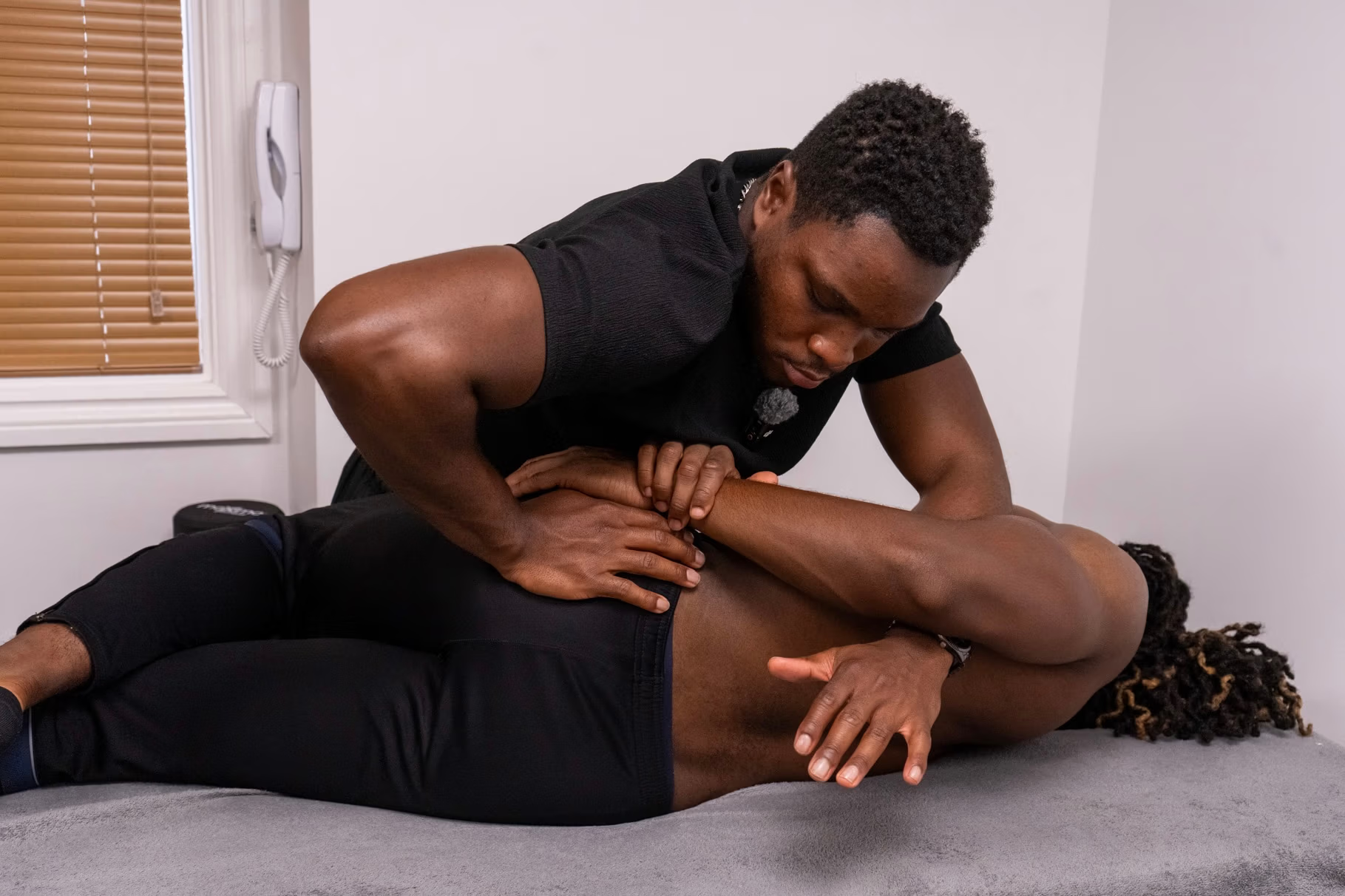
Sciatica is not a diagnosis in itself but a description of symptoms that may be linked to irritation or sensitivity affecting the lower back, surrounding tissues, or nerve structures. Our role is to assess what may be contributing to your symptoms and apply practical, hands-on treatment to help reduce pain, improve movement, and support recovery.
How We Help With Sciatica
Sciatic symptoms often involve a combination of lower back irritation, muscular tension, reduced movement tolerance, nerve sensitivity, and protective guarding around the affected area.
Our treatment approach focuses on helping reduce irritation, improve movement confidence, and support gradual return to normal activity.
Reducing pain and muscular tension.
Improving lower back and leg movement.
Supporting tolerance to walking, sitting, and activity.
Addressing contributing factors, not just symptoms.
Treatment is adapted to how irritable your symptoms are at that stage. Some sessions focus more on reducing sensitivity and pain, while others become more movement- and function-focused as recovery improves.
Choosing the Right Treatment
Our approach is hands-on, practical, and tailored to your problem. We combine assessment with effective treatment so you can start feeling better from your first session.
Sciatica can feel like pain, tingling, burning, tightness, numbness, or discomfort travelling from the lower back or buttock into the leg.
Symptoms vary widely and may affect movement, sitting, walking, or normal daily activity.
Can sciatica improve without treatment?
Yes, many cases improve over time. However, some people continue to experience recurring irritation, sensitivity, or reduced confidence in movement.
Treatment can help support recovery, reduce muscular tension, and improve tolerance to normal activity.
Should I rest or keep moving with sciatica?
In most cases, gentle movement is more helpful than prolonged rest. Long periods of inactivity can sometimes increase stiffness and sensitivity.
The goal is usually to find movement and activity levels your symptoms can tolerate without a significant flare-up.
Can massage help sciatica?
Hands-on treatment may help reduce muscular tension, protective guarding, and movement restriction around the lower back, hips, and surrounding tissues.
At The Body Sage Clinic, massage techniques are commonly integrated into Injury Therapy and other treatments alongside movement-focused approaches.
Can acupuncture help sciatica?
Dry needling acupuncture can often help reduce muscular tension and persistent pain associated with sciatic irritation.
Many people find it useful alongside hands-on treatment and gradual return to normal movement.
When should I seek help for sciatica?
If symptoms are persistent, worsening, affecting walking or normal movement, or interfering with daily life, it is usually worth seeking assessment.
Early treatment can often help reduce pain and improve confidence in returning to activity.
Start Treatment for Sciatica
Whether your symptoms are recent, recurring, or affecting normal movement and activity, the right treatment can help support recovery and improve confidence in movement.
If you are unsure where to begin, Injury Therapy is usually the best starting point.